Acid cleaning of a reverse osmosis membrane filter | CIP membrane training
He represents
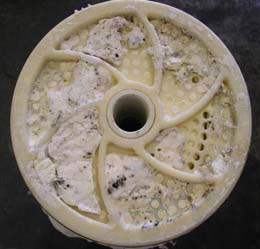
Membrane filters are the core component of industrial reverse osmosis systems and play a crucial role in removing dissolved ions , salts , and impurities. Over time, however, mineral deposits and various contaminants accumulate on the membrane surface, reducing flow and degrading wastewater quality. To ensure optimal performance, regular membrane cleaning or on-site chemical cleaning (CIP) is recommended.
 What is the purpose of an acid-washed membrane filter?
The membrane etching process is used to remove mineral and metal deposits and typically includes the following steps:
-
Calcium carbonate (CaCO₃) deposits
-
Calcium sulfate precipitate (CaSO₄)
-
Iron, aluminum and manganese oxides
-
Silicon and other mineral compounds
These impurities typically form in systems with high raw water hardness or a high content of dissolved minerals.
 Acid purification steps for reverse osmosis membrane filters
In-place membrane cleaning (CIP) involves several important steps that must be carried out carefully to avoid damaging the filter:
1. System setup
-
The reverse osmosis system must be disconnected from the electrical circuit.
-
Close the intake and exhaust valves.
-
Prepare a cleaning solution in a suitable container.
2. Preparation of an acidic cleaning solution
Weak or controlled acids are used to remove mineral deposits . The most commonly used acids are:
-
Citric acid : Safer and better suited for removing iron and carbonate deposits.
-
Hydrochloric acid (HCl) at a concentration of 0.1% to 0.2% (under defined and controlled conditions).
Note: The use of strong or highly concentrated acids can damage the membrane surface. Always follow the membrane manufacturer’s instructions.
3. Inject acid solution into the system.
-
The CIP pump delivers the solution to the filter at a low rate (approx. 3-5 liters per minute per membrane).
-
To remove particles from the membrane surface, the direction of the solution flow must be opposite to the flow direction of the purified water.
-
To increase efficiency, the solution temperature should be set between 25 and 35 degrees Celsius.
4. Circulating solution
-
The acid solution circulates through the membrane circuit for 30–60 minutes .
-
If the pH value drops or the color of the solution changes, the solution can be replaced.
5. Rinse with neutral water.
-
After the etching process is complete, the system should be rinsed with chlorine-free water with a low TDS value to ensure that no acid residues remain.
-
Rinse until the pH of the outflow water is between 6 and 7.
 Key points of membrane etching
-
In the case of biological contamination, alkaline cleaning must be carried out before acid cleaning .
-
Prepare a solution using soft or chlorine-free water.
-
Temperatures above 35 degrees Celsius damage the membrane.
-
Excessive acid concentration can lead to the destruction of polyamide films.
-
After acid rinsing, the quality of the wastewater and the pressure reduction on the membrane should be monitored.
 Equipment required for CIP cleaning of membranes
-
Acid tank ( corrosion-resistant polyethylene)
-
Acid-resistant circulation pump
-
Pre-membrane filter cartridge
-
For process control, instruments for measuring temperature, pH value and conductivity (conductivity meters) are used.
 The right time to marinate the membrane
The etching time depends on the quality of the raw water and the operating conditions, but is generally:
-
In industrial plants – once every 3–6 months
-
Or if the pressure drop increases by more than 15% and the total amount of dissolved solids released increases.
 In conclusion
Proper cleaning of membrane filters is essential for the reliable operation of industrial water treatment plants and for extending their service life. Correct application of CIP (Cleaning-in-Place) procedures restores membrane performance and reduces maintenance and replacement costs .