Armenia is a landlocked country with a mountainous landscape and rich history. It is known for its ancient churches and rocky landscapes. But the country may harbor an often overlooked treasure: abundant and vital freshwater resources . These resources are not only important for Armenia’s environment and agriculture, but also form the foundation of its economic development, energy security, and cultural identity.
In this article, we will delve deeper into this topic and take a look at the great rivers, tranquil lakes, and the challenges that come with harnessing this natural gift.
Blue Landscapes of Armenia: Internet
Contrary to the first impression of an arid country, Armenia boasts relatively abundant freshwater reserves. The heart of this water system is Lake Sevan , the largest lake in the Caucasus and one of the largest freshwater mountain lakes in the world. In addition to its tourist appeal, Lake Sevan serves as a strategic reservoir, an important source of irrigation, a hydroelectric power plant, and a regulator of the regional ecosystem.
Armenia’s rivers originate mainly in the mountains and flow into the plains. The most important rivers are:
-
Araks River: It is the longest border river in Armenia and plays an important role in the irrigation of agricultural lands in the central and southern regions.
-
Hrazdan River: This river originates in Lake Sevan and flows through Yerevan. It serves as the main water supply source for the capital and its surrounding areas.
-
Debed River: Flows through the north of the country and is vital to the region’s industry and local communities.
-
Entrance River (Vorotan): This southern river plays an important role in power generation and irrigation.
In addition, Armenia is rich in underground resources and mineral springs , many of which, for example in cities such as Jermuk and Arzni, are known worldwide for their healing properties.
The strategic importance of water: More than just a sip
Freshwater plays a more important role in Armenia than just providing drinking water:
-
Food security and agriculture: Agriculture is Armenia’s largest water consumer. Irrigation of fields in the Ararat Plain and other regions relies entirely on river networks and reservoirs. Without these resources, the country’s food security would be seriously threatened.
-
Energy and Electricity: Armenia derives much of its electricity from hydropower . Numerous power plants along the Hrazdan River, its estuary, and other rivers produce clean, relatively inexpensive energy that is vital to the country’s economy.
-
Industry and Development: Water is essential for industrial cooling, especially in mining and manufacturing. A reliable water supply helps attract investment and promote sustainable industrial development.
-
Tourism and Culture: Lake Sevan is a popular holiday destination for both local and foreign tourists. Fishing, boating, and beach activities are popular in the area. Many Armenian festivals and cultural rituals are closely linked to the water and its springs.
Future challenges: Threat to inexhaustible resources?
Despite Armenia’s abundant water resources, the country faces serious threats and numerous challenges that require prudent management:
-
Climate change: Reduced snowfall in the highlands, rising temperatures, and increased evaporation are among the impacts of climate change. These factors cause fluctuations in river flow and contribute to a gradual and long-term decline in the water level of Lake Sevan.
-
Inefficient use: Agricultural irrigation systems are often outdated, leading to significant water losses through evaporation and seepage. Investment in drip and pressure irrigation technologies is urgently needed.
-
Water pollution: Improperly treated industrial wastewater, agricultural wastewater contaminated with fertilizers and pesticides, and untreated municipal wastewater endanger the quality of some rivers and groundwater.
-
Integrated management: Water resource management requires coordination between different sectors (agriculture, energy, industry, cities) and cooperation with neighboring countries sharing a river basin.
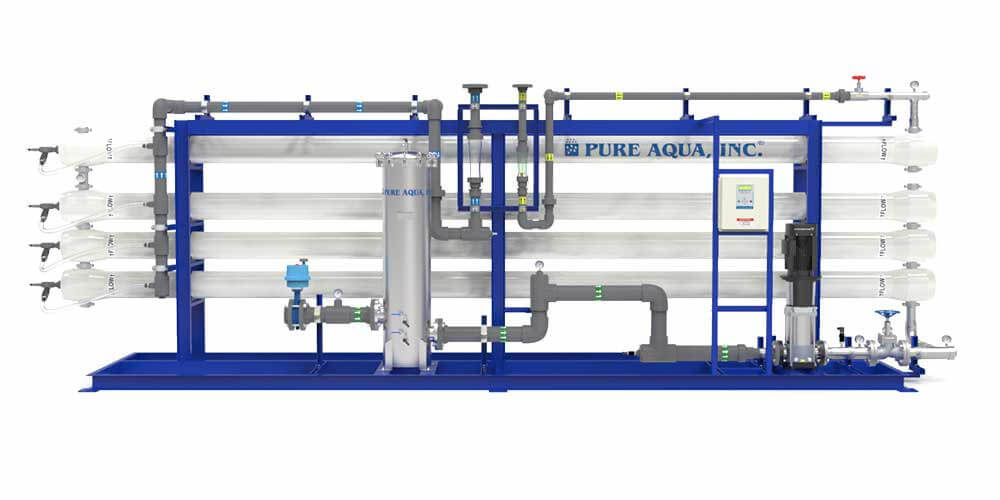
Technical data of the saltwater purification system
Solutions and future prospects: Towards sustainable management
The Armenian government and international organizations are taking measures to address these problems. Solutions include:
-
Reconstruction of the irrigation network: Several projects are being implemented to relocate water pipes and introduce energy-efficient irrigation methods.
-
Protecting Swan Lake: The state is developing a plan to stabilize Swan Lake’s water level and improve its ecological quality.
-
Modernize wastewater treatment plants: Invest in modern municipal and industrial wastewater treatment systems to reduce environmental pollution.
-
Public awareness: Educating farmers and citizens about the importance of conserving and responsible use of water resources.
Finally
Armenia’s freshwater resources, like diamonds in the mountains, are precious and vital. They are essential for the country’s survival, prosperity, and sustainable development. Protecting this natural heritage is not just a choice, but an unavoidable responsibility to present and future generations. Armenia’s future is inextricably linked to the management of this precious resource. By combining modern technology, responsible management, and civic engagement, Armenia can remain a symbol of sustainability and harmony with nature in the region.