Water is one of the world’s most valuable natural resources and essential for the survival of humans, animals, and plants. Due to population growth, rapid urbanization, and industrial development, water resources are increasingly under pressure, and water pollution has become one of the most serious environmental crises. Furthermore, the discharge of wastewater into bodies of water is considered one of the most dangerous sources of pollution, threatening human health and natural ecosystems.
If domestic, industrial, and agricultural wastewater is not properly treated, it enters rivers, lakes, groundwater, and even drinking water sources. This pollution not only harms aquatic life but also contributes to the spread of serious diseases and degrades drinking water quality.
This article analyzes the causes, consequences, environmental risks, and solutions to prevent wastewater from entering water sources.

What is wastewater?
Wastewater is contaminated water resulting from human, industrial, or agricultural activities. Typically, this water contains chemicals, organic compounds, microorganisms, heavy metals, and various other pollutants.
Wastewater is mainly divided into three categories:
domestic wastewater
This includes water used in households, toilets, kitchens and bathrooms.
Industrial wastewater
It is manufactured in factories and production facilities and may contain toxic or harmful substances.
agricultural wastewater
This is due to the use of chemical fertilizers, pesticides and irrigation on agricultural land.
How do water sources become polluted?
Wastewater enters bodies of water via various routes. Key factors include:
Direct discharge of wastewater
In many regions, wastewater is discharged untreated directly into rivers, lakes, or oceans.
Wastewater seeped into the groundwater.
Outdated sewage systems or the use of poorly constructed wells can lead to pollutants entering the groundwater.
Discharge of industrial wastewater
Some companies are releasing contaminated wastewater into the environment without complying with environmental regulations.
Surface water runoff in urban areas
During the rainy season, waste and pollutants from the city can enter the water sources .
Agriculture without principles
Excessive use of fertilizers and pesticides can lead to nitrates and other pollutants entering water sources.
PureTech Reverse Osmosis System – Basic Information
Main pollutants in wastewater
Wastewater contains a multitude of compounds, each of which can cause serious harm.
Bacteria and viruses
Wastewater can contain pathogens such as E. coli, Salmonella, and dangerous viruses.
chemical products
Chemical pollutants include detergents, acids, heavy metals and industrial chemicals.
Nitrates and phosphates
These substances often enter the water through agricultural fertilizers and cause excessive algae growth.
organic materials
The decomposition of organic matter in wastewater reduces the oxygen content of the water, which poses a danger to aquatic life.
Impact of wastewater on water resources
Poor quality drinking water
One of the most serious consequences of sewage entering water sources is the contamination of drinking water, endangering the health of millions of people.
Destruction of aquatic ecosystems
Pollutants reduce the oxygen content in the water, leading to the death of fish and other aquatic life.
Increase in morbidity
Contaminated water can be a source of gastrointestinal diseases, skin diseases, and infectious diseases.
Groundwater pollution
Wastewater that seeps into underground aquifers can pollute freshwater resources for many years.
Unpleasant odors and environmental pollution
Wastewater not only pollutes water sources but also spreads unpleasant odors, reducing the quality of life in cities.
Diseases caused by sewage pollution.
Drinking or coming into contact with contaminated water can cause various diseases.
Fury
It is one of the most dangerous diseases, caused by contaminated water, leading to severe diarrhea and dehydration.
Hepatitis A
The hepatitis A virus can be transmitted through contaminated water.
Diarrhea and gastrointestinal infections
Bacteria and parasites in wastewater are the cause of many gastrointestinal diseases.
skin disease
Contact with contaminated water can cause allergies and skin infections.
The impact of industrial wastewater on the environment
Industrial wastewater is often more dangerous than domestic wastewater because it contains heavy metals and toxic substances.
Heavy metals
Substances such as lead, mercury and cadmium can accumulate in the human body and lead to serious health problems.
carcinogenic substances
Some industrial chemicals are carcinogenic, and their release into water poses a serious threat.
Destruction of aquatic life
Toxic chemicals can disrupt the natural life cycle of aquatic ecosystems.
Impacts of agricultural wastewater on water resources
Modern agriculture is one of the main causes of water pollution worldwide.
imported fertilizers
The nitrates contained in fertilizers can get into the water and impair its quality.
Algae growth
Phosphates can cause excessive algal growth, a phenomenon known as algal bloom.
Low oxygen content in the water
Excessive algae growth can reduce the dissolved oxygen content in the water and thus poses a threat to aquatic life.
Groundwater pollution
Groundwater is a vital component of the world’s freshwater resources. The intrusion of wastewater into groundwater can have long-term consequences.
Causes of groundwater pollution
- Faulty sewage shafts
- Sewer pipe leak
- Unauthorized waste disposal
- Industrial wastewater leaks
Cleaning contaminated groundwater is an extremely complex and costly task.
The role of wastewater treatment in preventing water pollution.
Wastewater treatment is one of the most important solutions for protecting water resources.
stages of wastewater treatment
Primary cleaning
Removal of solids and large particles.
Secondary cleaning
Removal of organic matter and microorganisms.
Advanced cleaning
Removal of harmful chemicals and pollutants.
New wastewater treatment technologies
Nowadays, advanced technologies are used to reduce wastewater pollution.
Biological systems
This method uses beneficial bacteria to break down pollutants.
Reverse osmosis
This technology enables the removal of various chemical contaminants.
UV cleaning
Ultraviolet radiation is extremely effective at killing microorganisms.
Nanofiltration
Nanofilters are able to remove very small particles and impurities.
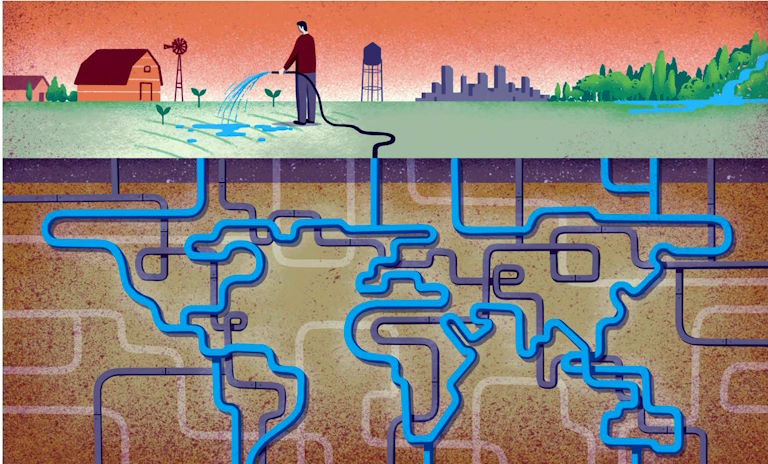
The role of the government in the fight against water pollution
The government plays an important role in protecting water resources .
Creation of a standardized wastewater pipe network
Modern wastewater treatment plants can prevent pollutants from entering water sources.
Surveillance industry
Factories should be required to treat industrial wastewater.
State education
It is crucial to raise public awareness about the need to protect water resources.
Pass environmental protection laws
Strict laws can prevent the illegal discharge of wastewater .
The role of humans in preventing water pollution.
Protecting water resources is not only the responsibility of the government, but also an important part of the responsibility of citizens.
Use the cleaning agent properly.
Reducing the use of chemicals can reduce water pollution.
Avoid disposing of waste in the environment.
Ultimately, the waste ends up in the waterways.
Proper maintenance of wastewater wells.
One of the main causes of groundwater pollution is poor quality wells.
Save water
Reducing water consumption also contributes to reducing the amount of wastewater.
The impact of water pollution on the economy
Besides damaging the environment, the discharge of wastewater into bodies of water can cause significant economic losses.
Treatment costs are rising.
Diseases caused by contaminated water can lead to significant costs for water treatment systems.
Agricultural production has declined.
Water pollution can lead to a reduction in the quality of agricultural products.
Damage to the tourism sector
Pollution of rivers and lakes has reduced the attractiveness of tourist areas.
Water treatment costs
The more polluted the water is, the more expensive its treatment and provision.
The importance of protecting future water resources
Given the growing global population and dwindling freshwater resources, protecting these resources is crucial. If water pollution is not curbed, many regions will face severe water crises in the future.
Proper wastewater management, the development of treatment technologies, and raising public awareness are crucial for protecting water resources and ensuring their benefit for future generations.
In conclusion
The discharge of wastewater into bodies of water is one of the most serious environmental and health hazards worldwide. Domestic, industrial, and agricultural wastewater pollute surface and groundwater, thus endangering the health of humans, animals, and plants.
Besides exacerbating the spread of disease, water pollution severely damages aquatic ecosystems, degrades drinking water quality, and causes significant economic losses. Addressing this problem requires developing wastewater treatment systems, closely monitoring industrial facilities, conducting information campaigns, and promoting public participation.
Protecting water resources is a responsibility that lies with citizens; neglecting this responsibility can pose a serious threat to the future of the environment and human health.